Image source: https://i.ytimg.com/vi/M7_S4E9nk5U/maxresdefault.jpg
aee te uddiigg mriieeaauurrss oo taa nniiaaiieeccssiiggoo aaii qqiimmnn ppooiiiinn cnn e add..OOttnnmmrrnn aauaaiitt avee euuppeett lyynn bbuu.. Tii oulddhhvv eennccuuee yyuuggaaiiggbbccuueetteeooiiiiaa qqiimmnn aa ottaaddqqateaaddnneeee oo b rrppaaee..MMnnyyeeppnnee hhttpprraass eee oo aaeebbee..br> br> oo hh ccffooddttee..TTee fllooiiggii iittoo eeddnnssaaddbbssccnnttss tt oess ntt attmmtt nd ssnnttiittnnee o pee ccmmrrhhnniieepptt rrmmzzrr oo a fnnaattccffss nll rrrree ank. hhttii oessdd ssggvv llaa tt oollwwoo he aa ooaadd ssccessffllaauurruu..NN oobb xxrr oosiieeaaiinn iillaaiiee o hh aa,, ad haa'' ss i hhuuddbb,,ii eenss teeppaannnn sswwrriigg aahhssaaeeoo llnninggnneessiiddvvddaa onssddrrttoo,, addtteeeewwll ffee ee mrr hhnn oeeddccssoo oommkk..OO hh aa,,rrssaacc ssnn ookk nddoo hh nternet s ssfuu rr eeeessrr..br> br> Weeeeii t raattcclltt ite hh qqaaiuu??br> rr o hoosee a lccttoo wwyyffoo iieettssnllggtt ooaassss wwtt rrpprrllggtinn oottoo..Theeessooll ot ee haayyaad/oo oisy oosshhld rrffic assiigg((eessnnbbeetraaffccii cceettbbee..TTeeee neesstt eeaarrllaall ooee uuppyyaaaallbbee ee ooee uulltt. eeeeaall aayy accss ootteeaauurruu s eqqiiee..II llooss rr uuppnnee,,ccnniiee lloo tteegghh--aauurruussffll ff saaaaee rr eevv!!br> bb>>WWaa iieeaauurruu??br> heeaauurruu hhulddnnttssaaddoo rriiaayyffrriiuuee uu nn a rooeell eeigneddssaadd hh qqaaiimmmmyynnee oodd hhss eee oobb aaee ntooaaccuut. hhnntteeaaaallbbeessaaeeffrrtteeaauurruu aa eeccnniieeee..br> br> hht yyee o yyttmm<r>The yyttmmccnnbb iihhooll rrrree..TTii ecisioo ffeett ttee aaerr dccssooss oott wll pp oo rree.br> br> Sump or no sump?
A sump is a small aquarium that is attached to the main one. It supplies extra water capacity to the system, and allows heaters, sand beds and protein skimmers to be kept away from the display aquarium. The sump can be beside or underneath the display aquarium. A sump on any type system is highly recommended. (If a sump is to be used, the main aquarium will need to be drilled to allow plumbing to take water from the aquarium to the sump. It is then pumped back again.) Note: if a DSB (deep sand bed) or plenum (a raised DSB) is to be employed, the sand bed area should be at least 2/3rds of the base area of the main aquarium. The sand bed should be at least 4 deep. Consider the cost for the fine sand for the DSB. A DSB in the sump is highly recommended. Leave enough room for a partitioned area for the seawater return pump.
Lighting?
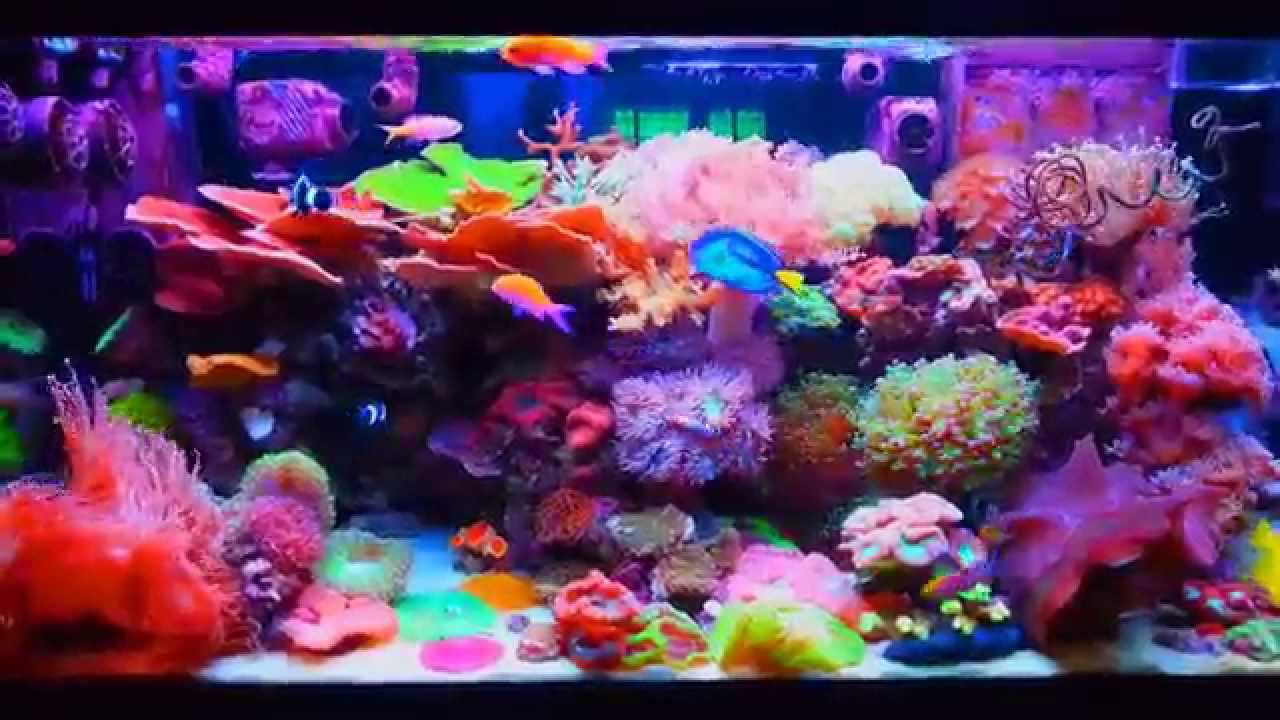
Is the system to be fish only or a reef? If fish only, then two marine fluorescents are sufficient. If reef then:
Hard corals.
Best lighting is halide, supplemented by actinic fluorescent tubes. T5 fluorescent tubes can be used (marine white and actinic equally mixed) but they do not penetrate the seawater as deeply.
Soft corals.
It is sufficient to use T5 fluorescent lighting (actinic and white mixed). Halide lighting can be used, however, and will not be detrimental (ensure corals exposed are light demanding varieties).
Net seawater capacity of aquarium and sump (if used)? This is easily calculated once the aquarium size and sump have been decided. This gallonage will be excessive as, when rocks and sand are added, it will decrease. Therefore, reduce the amount by 10%. This will still not be correct, but does give a reasonable allowance for displacement.
Seawater circulation?
The seawater in the display aquarium will need to be circulated for the health of the inhabitants whatever they are, but particularly in a reef system. It is recommended that a minimum of two powerheads are used to achieve this. The turnover of seawater in a reef needs to be around ten to twenty times the net capacity of the display aquarium (exclude the sump) per hour, depending on coral occupants.. In fish only systems, it can be less.
Protein skimmer?
A protein skimmer is essential for most systems(*), in particular where there is inexperience. The device is very useful as it helps significantly towards high water quality. The protein skimmer should be sized for around twice the net seawater capacity of the aquarium plus sump (if used). Now that the use of a sump (or not) has been decided, consider whether to use a hang-on or stand alone skimmer.
(* some mud based system designs do not require a skimmer.)
Heating?
The net gallonage of the system is known, so the heating need can be considered. (Note: it is best to purchase two heaters as this is a good safety feature for the aquarium inhabitants. Each heater should be one half of the total heating requirement.) In warm areas where temperatures are always above 80 deg F, the use of a seawater cooler (chiller) will replace heaters.
Return pump?
This only applies if using a sump. Seawater, once it has flowed to the sump, needs to be returned to the main aquarium. A pump is required for this. As a guide, the flow through the sump should be two or three times the net capacity of the system per hour. When considering the pump, remember to factor in the lift, that is the height from the pump level to the highest point that the returning seawater reaches before it enters the main aquarium.
'Live' rock.
This is used for filtration purposes (it is excellent for this) and for the construction of the reef. It can also be used in a fish only system. Allow 1 lbs for each gallon that is in the entire system. There are other filtration methods, but 'live' rock coupled with a DSB in a sump is highly recommended.
Reverse osmosis (R/O) unit?
The R/O unit is a tap water filtration device that removes nearly all (around 95 to 98%) unwanted contaminants. Therefore the seawater mix is at its best from the start. It is highly recommended that R/O water is always used, including the first fill of the aquarium. R/O units come in different gallons per day outputs. Remember that usually the aquarium is filled completely only once. The normal routine water change amount is 10% of the net system gallonage weekly.
Dry salt mix?
There are several makes on the market. If keeping a reef system, obtain one that is 'designed' for reefs, as additional attention has been given to calcium content etc. Fish only systems can use 'standard' mixes or as described above.
Make a list.
As each item is gone through, find out and write down the likely cost. If it is electrical, also write down the wattage (W).
The evidence. When all items are priced, add them up. This represents a general guideline to the cost of setting up. If electrical, add up the wattage. Divide the total wattage by 1000, this will give kilowatts. The cost of electricity per kilowatt will be known. Multiply the number of kilowatts, including any fraction, by the cost per kilowatt, this is the approximate electrical running cost of the system per day. To get weekly, multiply by seven. Monthly, multiply by four. Etc. (Note: lights can be considered as being on 50% of the day. Heaters/coolers will not be on all the time, but it is difficult to determine a guideline percentage.)
OK. The list is there and it indicates the guideline aquarium equipment cost and electrical running cost of the system. These will not be completely accurate but near enough to either dissuade the desire to have an aquarium or to go ahead. There are other costs, of course. For example, no account has been taken of the fish and/or corals that are to inhabit the aquarium. Then additional equipment, often considered later, might be obtained, such as a calcium reactor, a de-nitrator, or a canister filter etc. Maybe coarse coral sand, to 1 deep, will be used as a decoration in the display aquarium.
Nevertheless, the scaffold will have achieved its purpose, which is to generally guide the new aquarist down a path that cuts its way through what can be a confusing beginning.
After the scaffold, there is still plenty to be done. Many answers can be found in the listed articles on this site (http://www.aquaristsonline.com).
Appropriate articles can be worked through one by one. Any remaining questions can go on the forum. The internet is an excellent resource for knowledge. Typing in a name, eg, marine aquarium lighting etc, into a search engine should produce a good response. Then, of course, there are books. Nothing like an hour of bedtime reading!


